Wednesday, 27 June 2018

Tips for Monsoon – Safety Measures | Food to eat in Monsoon season

Simple Skin, Hair and Health Care Tips for Monsoon – Safety Measures | Food to eat in Monsoon season


With the monsoon blues hitting you very often, you might be dwelling in the seasonal changes that keep you rejuvenated every now and then. It’s okay if you forget to take care of your health and body for quite some time. But you dare to forget the whole season? The answer is a perfect NO, as you know you need to take extra care of your skin, hair and health.  As you can find noticeable changes in weather, taking formidable steps would decrease your efforts as the season continues.

Drink lots of water


This is perhaps an eternal secret to a glowing hydrated and fuller supple skin all throughout the year. You must be drinking at least 8 glasses of water a day to keep the skin problems away. Water adds an element of hydration and boost your skin’s essential oils, flushes toxins away and leaves your skin feeling fresh and amazing as ever.

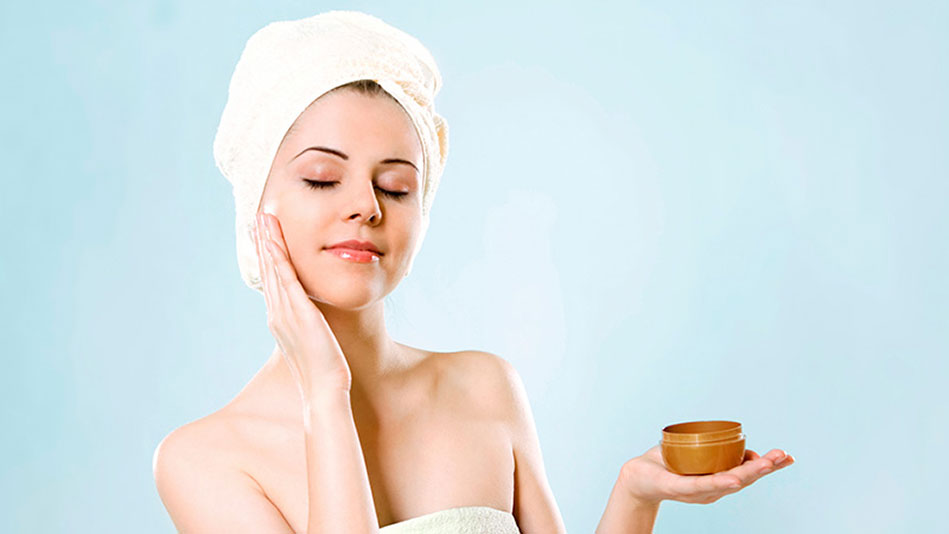
Skin Care Tips:


There is a lot more to take care of your skin this monsoon as dust particles easily settle on your skin which eventually damages the regular soft and toned look your skin possess. Here are some tips to maintain your skin healthy:

skin_care_tips_in_monsoon


    Most of the times use soap free cleansers and a good scrub so as to keep your skin moist all the time.
    An alcohol free toner is suggested as the high humidity could open up your pores (Toning is usually followed after cleansing).
    Most of them stop using sunscreen once the climate turns cool, but you must continue it even if it is cloudy.
    Heavy makeup is a huge turn off in rains, better if one opts for a water- proof makeup.
    Opt for a lotion- based serum, which keeps your skin rehydrated and brightens it up.
    Avoid bleaching and facials in this season, as bleaching could do more harm for your face and facial makes your skin rough.
    Wash your lips at night and apply some milk cream. Avoid lipsticks especially the dark shaded ones. Apply coconut oil if they are slightly cracked.
    Waxing, pedicure, and manicure are always recommended to give your skin and body a toned look all the time.
    Always wash your face, hands and feet as soon as you reach your home with lukewarm water. This makes you feel refreshed and stay healthy.

However there are different other methods based on whether the skin is oily or dry. These are the general tips that you must follow as the season begins.
Hair Care Tips:

It is as important to take care of your hair as you take care of your body. The best method is to keep good care by following some safety measures:

Monsoon_hair_care


  •     Most of the times try to protect your hair from rains, but that’s something impossible as we get caught in rains at least once in a while.
  •     As you reach home better wash your hair with mild shampoos and let it dry.
  •     Always apply shampoos in a gentle manner and do not forget to use a conditioner in this season after every wash.
  •     At night times, massage your hair with warm coconut oil and comb your hair for the even distribution of oil on your scalp and hair.
  •     You can also try applying warm oil mixed with curry leaves for your hair to remain thick and black.
  •     Usually in this season you invite itchy scalp because of dandruff or some other reasons. For such irritating scalp applying neem oil is the best remedy.
  •     Replacing herbal products in place of heavy organic shampoos and conditioners to maintain the natural glossy look of the hair would be best suggestible.
  •     Hair coloring is not a good idea in this season as it takes very long to wash your hair and dry. Keep it as natural as possible.
  •     Beer is a good conditioner. Initially wash your hair with beer and after few minutes wash it off with cold water. This tip helps your hair in adding glow to your hair.
  •      Use of hair dryers though necessary it is better suggested if you limit its usage. Instead opt for dry towels to remove moist from your hair.

Till the end of this season it is better suggested to keep your hair as simple as possible and avoid elaborate hairstyles. Nothing can beat the natural beauty.
Health Tips:

You need to be extremely careful in maintaining a healthy diet this season as the food we intake is more prone to fungal, viral and bacterial infections which naturally affects the body’s immunity.

Monsoon_health_tips


  •     Continue drinking plenty of water in this season as it is important to keep your body hydrated every time.
  •     Wash all the fruits and vegetables, especially the green leafy vegetables and cauliflower as they play a host for worms and larvae and dirt from streets.
  •     Keep your body warm as it becomes easy for viruses to attack once the body temperature cools down.
  •     Avoid uncooked fruits and salads in this season as the possibility of getting caught by germs in these kinds of foods is much higher.
  •     Instead eat salads blenched in boiling water to disinfect them and a healthy vegetable soup that keeps your body warm. This helps your skin nourish from inside.
  •      If you are suffering from asthma and diabetes, avoid staying near wet walls as it could be more harmful which increase the growth of fungus.
  •     Including garlic, pepper, ginger, turmeric, jeera powder and coriander in your diet as it helps in reducing indigestion problems and improves your immune system.
  •     Do not walk bear footed or wear wet shoes in this season specifically suggested for diabetic patients.
  •     Increase milk products, nuts and soya products which give your hair natural healthy look.
  •     Maintain general hygiene and avoid road side vendor food as the food easily gets affected with bacteria and fungi.
  •     Fresh foods are the best served this season and avoid any food that is straight away from the fridge.
  •     Avoid sleeping in the day time and extreme physical exercises but do not forget to regulate your exercises to stay fit and healthy.

Following these general skin, hair and health tips for your body would definitely help you to gear up your monsoon blues. Get ready to glow this monsoon.


Here are 10 rainy season foods that you ought to include in your diet:

1. Garlic:

Garlic Pinit


Packed with antioxidants, these cloves are rich with immunity boosting properties. Plus, they ease your digestive system while ensuring that your metabolic rate does not spiral down to a snail pace. While you can add crushed garlic pods to any food of your choice, one of the tastiest and healthiest ways of enjoying garlic is garlic rasam. A spicy concoction enriched with the pungent flavors of garlic and black pepper, it can be enjoyed along with rice or as a hot cup of soup.

2. Ginger:

Ginger Pinit


Ginger tea – this is the first thing that comes to mind when I think about rain! The fiery nature of ginger verves up your mood and at the same time boosts your metabolism. Grate some fresh ginger into a mug of warm water and squeeze in a lemon. Mix 1 tsp of honey. Your daily dose of immune boosting supplement is ready!
3. Pears:
Pears Pinit

Image: Shutterstock

Not much is talked about the immunity boosting potential of pears. However, it is really amazing to know that this crispy fruit is a treasure trove of assorted vitamins and minerals, all which actually shield you from diseases commonly floating around during the monsoon. Along with being a good source of fiber, the crunchy off white fruit contains a good quantity of copper, vitamin C, and vitamin B12. Pear is a natural antipyretic agent as it helps in cooling the body and thereby easing the fever. So, just make sure you drink a glass of freshly squeezed pear juice or munch on some fresh fruit to get relief from fever.

4. Turmeric:

Turmeric Pinit


This golden yellow hued spice powder is a well-accepted immunity boosting agent. It is a natural antiseptic and antibiotic agent too. And, that is one of the reasons you are forced to drink turmeric infused milk when you get a bout of cough or fever! Turmeric is also known to keep the levels of blood sugar under control. You can drink a glass of milk with ½ teaspoon milk with 1 tsp honey in to safeguard yourself from monsoon illnesses.


5. Black Pepper:

Black Pepper Pinit


Just add a zing of black pepper to your omelette or soups or even to your khichdi! These fiery black beads are not just tasty, but come with an awesome dose of good health. A natural antidote for fever, cough, cold, muscular pain, flu, and various respiratory conditions, black pepper is a must include rainy season food. Make a spicy pepper soup with a tamarind base or just mix ½ a teaspoon of freshly ground black pepper powder with equal quantities of turmeric powder and 2 tsp honey to milk and drink for healthy monsoon.


6. Almonds:

Almonds Pinit


The crunchy, brown skinned nuts are good sources of protein. Quite low on fat, almonds are packed with various nutrients that are beneficial for your health. This tasty nut enhances your digestive fire, keeps your sugar levels under control, and offers a powerful shield from various diseases. Plus, it is a great snack to munch on while you are on your weight loss regimen plus ensures that are at the pink of your health.

7. Apples:

Apples Pinit


The saying an apple a day keeps the doctor away is perfectly applicable in this scenario. Munch an apple everyday as a part of your balanced, healthy diet. Available in countless variants – Washington, Shimla, Fuji, Granny Smith – apples contains various elements that offer a good cover for you from various health conditions that are always on the prowl during the rains. It also makes sure that your digestive system is functioning properly.

8. Pomegranate:

Pomegranate Pinit


I love this ruby like nibbles! A perfect inclusion in a healthy diet, it is packed with vitamins, especially vitamin C, that ensures that the protein in your body is properly metabolized. This, in turn, ensures that your digestive system is healthy and clean. It also peps up the immunity power, thus helping you combat the various illnesses.
 

9. Beetroot:

Beetroot Pinit


Just stir fry grated beets with grated carrots and season it with a little cumin seeds and freshly ground black pepper! You can add 10 to 12 toasted almonds to it and your perfect meal is ready! Packed with the goodness of essential nutrients, vitamins and minerals, including potassium, fibre, and folic acid, beets are amazingly low in calories. It is an ideal veggie when it comes to detoxifying your body. You can have a glass of beetroot juice everyday during the monsoon to revive and revitalize your stamina and keep you healthy during the monsoon.

10. Water:

Water Pinit


Last, but never the least, it is very essential to keep yourself hydrated during the monsoon. There is a natural tendency to cut down on water consumption due to the cold environment. This can put you at the risk of various infections and diseases that are quite common during the monsoon. Ensure you drink at least 8 glasses of water, with each glass measuring 150 ml. Opt for warm water to ensure that you are not compromising your metabolism.

What to Eat and What to Avoid During Rainy Season:


1. Include fruits such as pears, pomegranates, mangoes, guavas, apples, and pears.

2. Enjoy low sodium diet to thwart off hypertension and water retention.

3. Opt for dry foods such as corn and chickpea instead of water-rich foods such as rice and watermelons.

4. Include barley, whole wheat, and oats in your diet.

5. Include curd and buttermilk in your diet.

6. Include bitter veggies and herbs such as Neem and bittergourd.

7. Cut down on tomatoes and tamarind to prevent water retention.

8. Cut down the intake of meat and fish.

9. Include pungent and astringent foods.

10. Drink herbal teas like the ones infused with ginger, cinnamon, black pepper, and cardamom.

11. Cut down on caffeine intake.

12. Avoid veggies such as potatoes, cauliflower, ladies fingers, pigeon peas, sprouted grains, kidney beans, and cluster beans.

13. Avoid green leafy vegetables such as spinach and fenugreek.

14. Opt for steamed vegetable salads.

15. Avoid pre-cut fruits.

16. Drink warm water infused with honey, ginger, and black pepper to pep up immunity.

17. Avoid frozen foods such as ice creams.

18. Bid adieu to fruit juices.

19. Avoid raw vegetable salads.

20. Drink plenty of hot homemade soups.

Wednesday, 20 June 2018

Bell's palsy: Treatment

                            Bell's palsy: Treatment guidelines

J. M. K. Murthy and Amrit B. Saxena


This article has been cited by other articles in PMC.
The most common cause of acute onset unilateral peripheral facial weakness is Bell's palsy. The incidence of Bell's palsy is 20-30 cases for 100,000 and accounts for 60-70% of all cases of unilateral peripheral facial palsy. Either sex is affected equally and may occur at any age, the median age is 40 years. The incidence is lowest under 10 years of age and highest in people over the age of 70. Left and right sides are affected equally.

Clinical Characteristics
Bell's palsy is an acute peripheral facial weakness of unknown cause and the diagnosis can be established without difficulty in patients with unexplained unilateral isolated facial weakness. The onset is sudden and symptoms typically peak within a few days. Additional symptoms may include pain in or behind the ear, numbness or tingling in the affected side of the face usually without any objective deficit on neurological examination, hyperacusis and disturbed taste on the ipsilateral anterior part of the tongue. Bilateral idiopathic facial palsy occurs less frequently than unilateral involvement. About 7% of patients with history of Bell's palsy may experience recurrence. The mean interval to first recurrence is reported at 9.8 years after the first episode.

Go to:
Diagnosis
The first step in the diagnosis is to determine whether facial weakness is central or peripheral. Peripheral facial palsy involves all the facial muscles ipsilateral to the side of facial nerve involvement where as central weakness involves lower facial muscles contralateral to the lesion in the brain stem above pons and cerebral hemisphere.

Bell's palsy is differentiated from other causes of facial palsy such as diabetes mellitus, human immunodeficiency virus (HIV) infection, Lyme disease, Ramsay Hunt syndrome (peripheral facial palsy with zoster oticus), sarcoidosis, Sjogren's syndrome, parotid-nerve tumors, leprosy, polyarteritis nodosa and amyloidosis, by its rapid onset over several hours. Facial palsy secondary to other causes progresses over days to months.

Go to:

Diagnostic Workup

Diagnosis of Bell's palsy in a patient with unilateral peripheral facial weakness of unknown cause is purely clinical. However, electrodiagnostic testing done within 14 days of onset may provide prognostic information.

The nerve excitability test determines the excitation threshold by recording the minimum electrical stimulus required to produce visible muscle contraction. A difference greater than 3.5 mA between affected and unaffected sides is considered to be significant in terms of poorer outcome. Measuring the peak-to-peak amplitude of the evoked compound action potential of the involved side compared to the normal side has prognostic importance. If there is a 90% or greater reduction in the amplitude of the affected side, the prognosis is poor.

Currently the trigeminal blink reflex is the only test to measure intracranial pathway of the facial nerve and also useful test to study various postparalysis sequelae such as synkinesis and hemifacial spasms. With recovery of facial function the ipsilateral R1 latency becomes less prolonged and the amount of initial prolongation of this response correlates with greater loss of facial motor function.

Gadolinium contrast magnetic resonance (MRI) study reveals enhancement of internal acoustic meatal segment on the affected side; however, this is a non-specific finding. MRI should not be done routinely and should be the investigation to look for other possible causes for acute facial paralysis especially if there is little or no recovery of function.

Treatment

The aims of treatment in the acute phase of Bell's palsy include strategies to speed recovery and to prevent corneal complications. Eye care includes eye patching and lubrication, lubricating drops should be applied frequently during the day and a eye ointment should be used at night.[5] Strategies to speed recovery include physical therapy, corticosteroids and antiviral agents .

Monday, 7 May 2018

Care ,Precaution in Thyroid

 Care ,Precaution in Thyroid


Hypothyroidism can be a tricky condition to manage, and what you eat can interfere with your treatment. Some nutrients heavily influence the function of the thyroid gland, and certain foods can inhibit your body's ability to absorb the replacement hormones you may take as part of your thyroid treatment.

Having a thyroid condition is no picnic, but you're not alone with this health issue. According to the American Thyroid Association, more than 12 percent of the population may end up dealing with a thyroid condition at some point in their lives. And thyroid issues can be sneaky: Of the nearly 20 million Americans living with the disease, as many as 60 percent don't even realize they have it.

As with many health conditions, some factors are out of your control, including your family history and the environment around you. But diet also plays a prominent role — and since you're the one in charge of your plate, you can decide which thyroid-friendly foods to choose.

Some items on this list may strike you as odd, like fiber and coffee, because for many other diets they're considered 'healthy' or ‘safe’ picks. You can still enjoy these foods groups, but moderating your intake is a good idea when managing hypothyroidism.

But many of the others to watch out for already fall into the no-no category as part of a smart diet, so skipping them, or at least cutting way back, is definitely a no-brainer. These include fried fast-food meals, salty processed foods, sugary treats, such as pastry, cake, cookies, and ice cream, and excessive alcohol.

So while there's no such thing as a "hypothyroidism diet" that will make you well, eating smart can help you feel better despite the condition. Here are nine foods to limit or avoid as you manage hypothyroidism:

Here are 5 things you might not know about the thyroid:

1. The thyroid is the central gear in your body’s metabolism.


Thyroid function intimately impacts the basal metabolic rate, cardiovascular system, bone metabolism, hormone production, glucose metabolism, red blood cell production, protein metabolism, cholesterol metabolism, gastrointestinal function, liver function, gall bladder and brain function. To keep your body in top condition, make sure that your thyroid is working optimally.

2. The thyroid gland is vulnerable to toxins.


Many known environmental disrupters such as heavy metals, pesticides and plastic compounds promote goiter activity and can wreak havoc on the thyroid. Think twice before eating foods sprayed with pesticides and using plastics- it might hurt your thyroid.

3. Medications can disrupt thyroid hormone metabolism.


Thyroid physiology is vulnerable to cross-reactions with many medications including anti-inflammatory medications, antibiotics, antidepressants, cholesterol-lowering medications, antacids, pain medications, and diabetes medications. Talk to your doctor about the potential side effects that your prescription medications can have on your thyroid.

4. Thyroid hormones influence the immune system.


Thyroid hormones exhibit influences on cellular messenger systems that affect T and B cell activity, cell death, and many other immune system functions. Think about your thyroid the next time that you are fighting a cold--it’s fighting with you! Make sure that your Vitamin D levels are optimal, as vitamin D is one of the main regulators of a healthy immune system.

5. Many vitamins and minerals are necessary for proper thyroid metabolism.


Vitamin A, selenium, the B vitamins, iodine, and vitamin D, and zinc are some of the vitamins and minerals that are necessary to ensure healthy thyroid function. To optimize your thyroid’s health make sure that you eat a balanced diet that includes the vitamins and minerals needed to keep the thyroid in tip-top shape.

Best: Berries

The best diet for your thyroid requires more than just iodine, selenium, and vitamin D, says Ilic. And—perhaps unsurprisingly—foods that are high in antioxidants are also good for your thyroid. One 2008 study by researchers from Turkey suggests that people with hypothyroidism have higher levels of harmful free radicals than those without the condition.

Berries are chockfull of antioxidants, according to a 2010 study in Nutrition Journal. The researchers examined more than 3,000 foods and found that wild strawberries, blackberries, goji berries, and cranberries ranked especially high.

Good: Cauliflower, kale, broccoli, bok choy

Do a little Googling, and you might turn up a page or two claiming that cruciferous vegetables can cause thyroid troubles. The truth is a little murkier. While it's true that these veggies contain compounds called glucosinolates, which might interfere with your body's production of thyroid hormones in high amounts, it's pretty unlikely that they'll harm your thyroid if you're eating normal-size servings. One case report in the New England Journal of Medicine highlighted the story of an 88-year-old woman who showed up to the ER with hypothyroidism after eating about 2 or 3 pounds of bok choy a day—but, as Ilic points out, "that's not a normal amount."

Bottom line: "Cruciferous vegetables like cauliflower and kale are important for a healthy diet and a healthy thyroid," says Ilic. (And besides, if you cook down the foods, you'll release enzymes that are related to glucosinolates. See? Problem solved.)


Health is Wealth : http://healthythoughtsbyamit.blogspot.in/2018/04/tips-to-maintain-healthy-diet-this.html

Friday, 27 April 2018

Tips To Maintain A Healthy Diet This Summer


  • Cool Off

Carry a face mist with you, so you can mist your face and body while out in hot sun.

I am sharing a great Homemade Cooling Cucumber Mist recipe :

    Puree a peeled cucumber until it is smooth.
    Strain this mixture through your cheesecloth into a clean bowl, and make sure to squeeze that cloth to get all the liquid out of it.
    Add 1/2 teaspoon of lemon juice, 2 tablespoons of mint juice, 1/2 cup of rosewater, and stir well to make sure it’s all blended together, then pour the liquid into a spray bottle.
    If you find that it’s a bit too viscous, you can add more rosewater or a bit of distilled water to dilute it.

This is a wonderfully cooling and soothing mist on sunburns, dry weather ravaged skin, or during a menopausal hot flash.

  • Do away with Dry Skin

Use a gentle scrub on dry skin to exfoliate, before you bathe. Pay special attention to knees and elbows. Finish with a rich body cream or oil within three minutes of toweling off.

A Very effective Home made Exfoliating Coffee Body Scrub

    Mix 1/4 cup sugar sugar with 1/2cup finely ground coffee beans, 2 tablespoons of sesame oil,and 1/2 teaspoon (about 20 drops) eucalyptus essential oil. Turn it to a paste. You can add a tablespoon of sea salt and extra virgin olive oil too.
    The firming effect of caffeine,nourishing sesame oil and purifying eucalyptus oil work magic with your skin.
    Use this mixture to scrub your entire body.
    Scrub away gently for 10 to 15 seconds until you feel your skin has turned soft and silky.
    Rinse it off with lukewarm water. Make sure you use a body wash to experience the softness of your skin.

Once done, apply a moisturizer of your choice to retain the moisture.
  •  Eat Your SPF - literally!

Oral intake of vitamins C and Vitamin A can limit potential for sunburn. A salad with vitamin C rich citrus, berries, tomato, and vitamin E rich nuts is an ideal SPF meal.

    A mixed fruit treat of mango, strawberries, papaya is an amazing reward for your skin.
    Mango is rich in betacarotene, a natural sunscreen given to us by nature in this season. It also fights against skin ageing, regenerates skin cells and restores the elasticity of skin.
    Papaya is also a rich source of Vitamin A with a great sun protective action.
  •  Ease the Eyes

The summer elements can be particularly harsh on the fragile skin around the eyes.

Apply sunscreen around the eyes too. You can use homemade packs to soothe your eyes. Use glares to protect your eyes.

A very soothing Homemade Cucumber Mint Eye Mask

    Blend a cucumber (it is ok to leave the skin on) and 5-6 mint leaves.
    Add a small amount of water to thin the cucumber’s juice.
    Dip cotton pads in the juice and gently squeeze them to get rid of excess juice with your palm.
    Place the cotton pads flat and separated in a clear zip-lock bag and freeze them until they are iced.

At the end of a tiring hectic day, just take two cotton pads out of the bag, place them over your eyes for around 20-25 minutes and relax.
  • Protect your pout

The sun’s rays are very drying on the delicate lip tissue.

To keep your lips luscious and hydrated, apply a richly textured lip balm with a minimum SPF of 15 and reapply regularly, when outdoors. Apply little coconut oil or ghee on lips at night to prevent them from chapping.

The following Homemade lip pack will be well appreciated by your lips.

    Apply a mashed ripe banana in a teaspoon of sour cream and leave on to soothe your chapped lips.
  • Take a cool shower

Hot showers after sun exposure further dry the skin. A cool shower after excess sweating helps keep the skin unblocked, and decreases acne breakouts.

Stay Hydrated

One of the biggest dangers of being outdoors in the summer is dehydration. “Drink lots of water!” – make this your motto until we hit July. Our body naturally loses a lot of moisture in the summer, so increasing the intake of water becomes a priority. Only the liquid can keep your body cool and skin soft. And yes, your mom is right!
 
  • Avoid Aerated Drinks

Though the TVCs claim that aerated drinks can take care of your really hot day, avoid the temptation. Aerated drinks contain a high percentage of sugar which is bad for skin. Remember, your skin is already being exposed to the summer heat, and these drinks tend to augment its ill effects.
  • Give Your Diet a Berry Boost

Here comes another summer motto – “Berries are good!” It is necessary to give your diet a berry boost to cope up with this heat. Intake of blackberries, blueberries, or strawberries in any form (Raw/Juice) will work well. This will help prevent the damage to tissues caused by heat. Moreover, they are rich in anti-oxidants and keep your cholesterol in control.

Friday, 27 October 2017

TIPS TO KEEP SKIN SOFT AND GLOWING IN WINTER


Additional moisture helps, but you need to do more to actually counteract these effects and keep skin looking youthful and smooth. To reduce chapping, redness, itching, and keep skin more healthy and comfortable this season, try these tips.


Tuesday, 17 October 2017

Diwali skin care: 6 foolproof ways get glowing skin this festive season!

Diwali skin care:  foolproof ways get glowing skin this festive season!

The festive season is here! With Diwali just around the corner, maintaining the perfect glowing skin might come across as a huge challenge for you. But with these skincare tips, it won’t be a problem anymore. So in order to get the perfect glow, all you need to take care is the pre-festive skincare regime. If you are not sure which regimen will suit your skin, these simple tips and tricks will give you the most supple and glowing skin. You need not shell out a bomb on your beauty and skincare treatments, regular DIY homemade skin care tips will work like magic.

1. Eat fresh vegetables and fruits


Completely avoid junk food, and try to eat as much as fresh fruits and vegetable. No matter the season or your schedule, try to include a lot of fresh vegetables and fruits into your diet. By keeping a tab on your diet, you will make sure that your skin gets the essential supply of vitamins and minerals. Daily consumption of fresh veggies and fruits will also keep the bowel movement good, contributing to general health and good skin.

2.Avoid places where there is lot of smoke and crackers burning.If you really want to go, then cover your face with handkerchief.

3.Eat four to six times a day, but smaller meals. Consume home cooked meals, this will not worsen your problem.

4.Don't forget to take medication on time. Also keep your inhalers handy if travelling.

5. Face wash
With the increase in pollution, you need to take steps to tackle the damaging skin ageing effects of the pollution. Wash your face at least twice a day to keep it clean. But do not go overboard and use a harsh cleanser, always wash your face with a gentle, foaming face wash. To avoid dust from sticking to your skin, you can also use facial wipes to wipe your face, that suit your skin. Also, regular exfoliation of skin is essential to keep it soft and unblock pores.

The most important tip for this festive season is to be happy and joyous. If your mind is happy and occupied, you will forget about asthma. So have a great time in Diwali, enjoy colours, lights and always remember prevention is better than cure. So stay fit and healthy.

Tuesday, 19 September 2017

Tips for Navratri Garba nights

Navratri is just around the corner. While many observe a fast for these 9 days, they also enjoy the festivities by playing garba or dandiya, the traditional Gujarati dance. This needs optimum energy and stamina which may not be possible if you don’t follow the right diet. Here are some quick-tips which will make fasting easier and keep you energised for your gala garba night. 


Tuesday, 22 August 2017

Care in Swine Flu

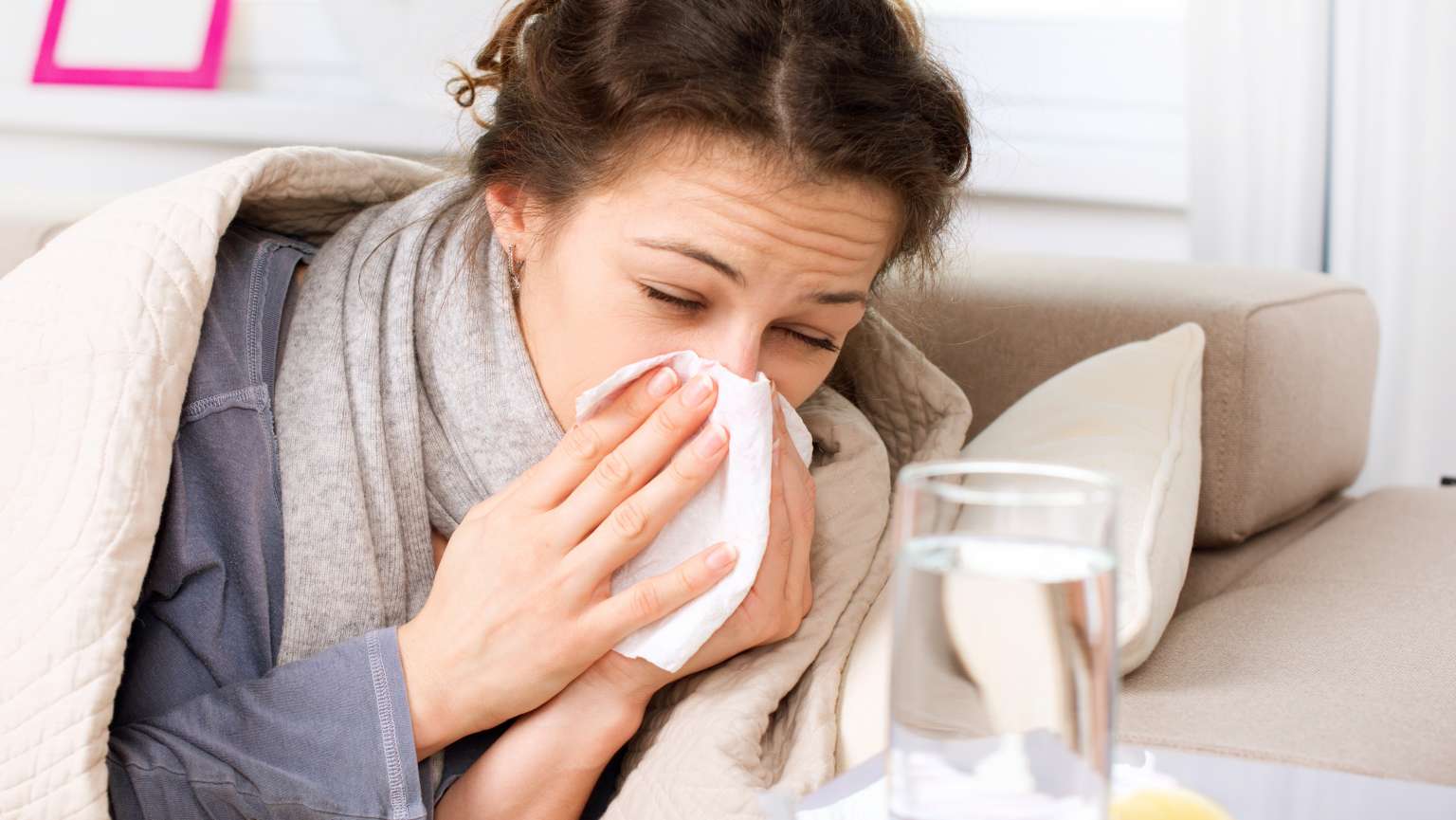
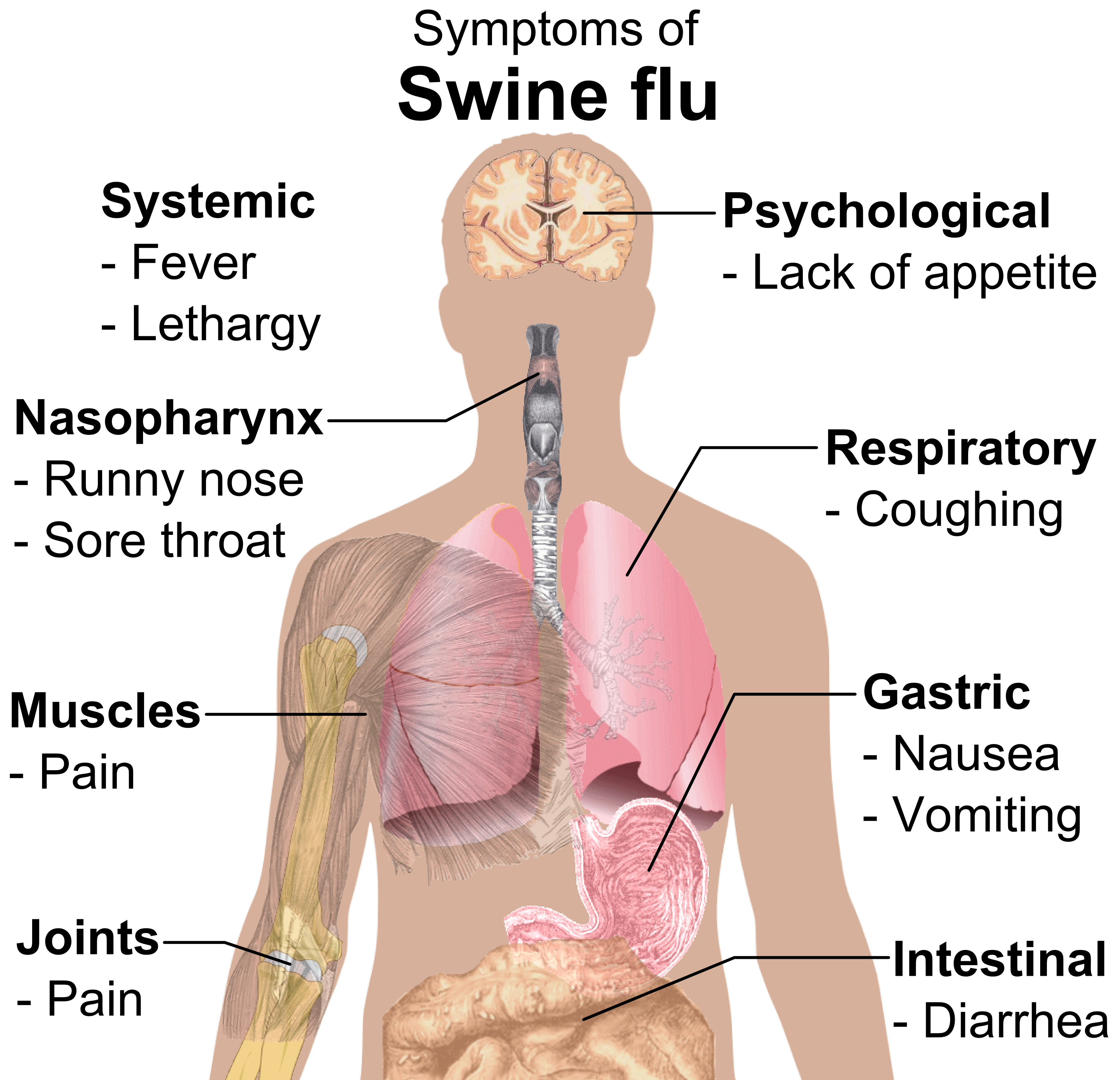
Novel H1N1 flu virus infection (formerly known as swine flu) can cause a wide range of symptoms, including fever, cough, sore throat, body aches, headache, chills and fatigue. People with the swine flu also can have vomiting and diarrhea. Like seasonal flu, swine flu in humans can vary from mild to severe. Severe disease with pneumonia, respiratory failure, and even death is possible with swine flu infection. Certain groups might be more likely to develop a severe illness from swine flu infection, such as persons with chronic medical conditions. Sometimes bacterial infections may occur at the same time as or after infection with influenza viruses and lead to pneumonias, ear infections, or sinus infections.


The following information can help you provide safer care at home for sick persons during a flu pandemic.


The Swine Flu: How Does it Spread?


The main way that influenza viruses are thought to spread is from person to person in respiratory droplets of coughs and sneezes. This can happen when droplets from a cough or sneeze of an infected person are propelled through the air and deposited on the mouth or nose of people nearby. Influenza viruses may also be spread when a person touches respiratory droplets on another person or an object and then touches their own mouth or nose (or someone else’s mouth or nose) before washing their hands.

People with novel H1N1 flu who are cared for at home should:


    Check with their health care provider about any special care they might need if they are pregnant or have a health condition such as diabetes, heart disease, asthma, or emphysema.
    Check with their health care provider about whether they should take antiviral medications.
    Stay home for at least 24 hours after fever is gone, except to seek medical care or for other necessities. (Fever should be gone without the use of a fever-reducing medicine.)
    Get plenty of rest.
    Drink clear fluids (such as water, broth, sports drinks, electrolyte beverages for infants) to keep from being dehydrated.
    Cover coughs and sneezes. Clean hands with soap and water or an alcohol-based hand rub often and especially after using tissues and after coughing or sneezing into hands.
    Wear a facemask — if available and tolerable — when sharing common spaces with other household members to help prevent spreading the virus to others. This is especially important if other household members are at high risk for complications from influenza.
    Be watchful for emergency warning signs (see below) that might indicate you need to seek medical attention.


The Swine Flu: When to Seek Emergency Medical Care


Get medical care right away if the sick person at home:


    Has difficulty breathing or chest pain
    Has purple or blue discoloration of the lips
    Is vomiting and unable to keep liquids down
    Has signs of dehydration such as dizziness when standing, absence of urination, or in infants, a lack of tears when they cry
    Has seizures (for example, uncontrolled convulsions)
    Is less responsive than normal or becomes confused

Saturday, 8 April 2017

8 Summer Steps for Healthy Living

8 Summer Steps for Healthy Living


1. Give Your Diet a Berry Boost


If you do one thing this summer to improve your diet, have a cup of mixed fresh berries -- blackberries, blueberries, or strawberries -- every day. They'll help you load up on antioxidants, which may help prevent damage to tissues and reduce the risks of age-related illnesses. Blueberries and blackberries are especially antioxidant-rich.

A big bonus: Berries are also tops in fiber, which helps keep cholesterol low and may even help prevent some cancers.

2. Get Dirty -- and Stress Less


To improve your stress level, plant a small garden, cultivate a flower box, or if space is really limited, plant a few flower pots -- indoors or out.

Just putting your hands in soil is "grounding." And when life feels like you're moving so fast your feet are barely touching the stuff, being mentally grounded can help relieve physical and mental stress.


3. Floss Daily


You know you need to, now it's time to start: floss every single day. Do it at the beach (in a secluded spot), while reading on your patio, or when watching TV -- and the task will breeze by.

Flossing reduces oral bacteria, which improves overall body health, and if oral bacteria is low, your body has more resources to fight bacteria elsewhere. Floss daily and you're doing better than at least 85% of people.


4. Get Outside to Exercise


Pick one outdoor activity -- going on a hike, taking a nature walk, playing games such as tag with your kids, cycling, roller blading, or swimming -- to shed that cooped-up feeling of gym workouts.

And remember, the family that plays together not only gets fit together -- it's also a great way to create bonding time.


5. Be Good to Your Eyes


To protect your vision at work and at play, wear protective eyewear. When outdoors, wear sunglasses that block at least 99% of ultraviolet A and B rays. Sunglasses can help prevent cataractscataracts, as well as wrinkles around the eyes.

And when playing sports or doing tasks such as mowing the lawn, wear protective eyewear. Ask your eye doctor about the best type; some are sport-specific.


6. Vacation Time!


Improve your heart health: take advantage of summer's slower schedule by using your vacation time to unwind.

Vacations have multiple benefits: They can help lower your blood pressure, heart rate, and stress hormones such as cortisol, which contributes to a widening waist and an increased risk of heart diseaseheart disease.

7. Alcohol: Go Lite


Summer's a great time to skip drinks with hard alcohol and choose a light, chilled alcoholic beverage (unless you are pregnant or should not drink for health or other reasons).

A sangria (table wine diluted with juice), a cold beer, or a wine spritzer are all refreshing but light. In moderation -- defined as one to two drinks daily -- alcohol can protect against heart disease.


8. Sleep Well


Resist the urge to stay up later during long summer days. Instead pay attention to good sleep hygiene by keeping the same bedtime and wake-up schedule and not drinking alcohol within three hours of bedtime.

It's also a good idea to avoid naps during the day unless you take them every day at the same time, for the same amount of time.

There they are: Eight super simple ways to boost your health this summer. Try one or try them all. They're so easy you won't even know they're -- shhhh -- good for you.

Tuesday, 7 March 2017

Laughter is the Best Medicine

Laughter is the Best Medicine

Sure, it’s fun to share a good laugh. But did you know it can actually improve your health? It’s true: laughter is strong medicine. It draws people together in ways that trigger healthy physical and emotional changes in the body. Laughter strengthens your immune system, boosts mood, diminishes pain, and protects you from the damaging effects of stress. As children, we used to laugh hundreds of times a day, but as adults life tends to be more serious and laughter more infrequent. By seeking out more opportunities for humor and laughter, though, you can improve your emotional health, strengthen your relationships, find greater happiness—and even add years to your life.

What you can do

    Share funny moments—even if they are embarrassing—with friends
    Host a game night for friends
    When you hear laughter, move towards it
    Seek out playful people who laugh easily
    Learn to laugh at yourself


Why is laughter the sweetest medicine for mind and body?

Laughter is a powerful antidote to stress, pain, and conflict. Nothing works faster or more dependably to bring your mind and body back into balance than a good laugh. Humor lightens your burdens, inspires hopes, connects you to others, and keeps you grounded, focused, and alert. It also helps you to release anger and be more forgiving.

With so much power to heal and renew, the ability to laugh easily and frequently is a tremendous resource for surmounting problems, enhancing your relationships, and supporting both physical and emotional health. Best of all, this priceless medicine is fun, free, and easy to use.
Laughter is good for your health

Laughter relaxes the whole body. A good, hearty laugh relieves physical tension and stress, leaving your muscles relaxed for up to 45 minutes after.

Laughter boosts the immune system. Laughter decreases stress hormones and increases immune cells and infection-fighting antibodies, thus improving your resistance to disease.

Laughter triggers the release of endorphins, the body’s natural feel-good chemicals. Endorphins promote an overall sense of well-being and can even temporarily relieve pain.

Laughter protects the heart. Laughter improves the function of blood vessels and increases blood flow, which can help protect you against a heart attack and other cardiovascular problems.

Laughter burns calories. OK, so it’s no replacement for going to the gym, but one study found that laughing for 10 to 15 minutes a day can burn about 40 calories—which could be enough to lose three or four pounds over the course of a year.

Laughter lightens anger’s heavy load. Nothing diffuses anger and conflict faster than a shared laugh. Looking at the funny side can put problems into perspective and enable you to move on from confrontations without holding onto bitterness or resentment.

Laughter may even help you to live longer. A study in Norway found that people with a strong sense of humor outlived those who don't laugh as much. The difference was particularly notable for those battling cancer.

Physical health benefits of laughter

    Boosts immunity
    Lowers stress hormones
    Decreases pain
    Relaxes your muscles
    Prevents heart disease

Mental health benefits of laughter

    Adds joy and zest to life
    Eases anxiety and tension
    Relieves stress
    Improves mood
    Strengthens resilience

Social benefits of laughter

    Strengthens relationships
    Attracts others to us
    Ehances teamwork
    Helps defuse conflict
    Promotes group bonding

Laughter helps you stay mentally healthy

Laughter makes you feel good. And the good feeling that you get when you laugh remains with you even after the laughter subsides. Humor helps you keep a positive, optimistic outlook through difficult situations, disappointments, and loss.

More than just a respite from sadness and pain, laughter gives you the courage and strength to find new sources of meaning and hope. Even in the most difficult of times, a laugh–or even simply a smile–can go a long way toward making you feel better. And laughter really is contagious—just hearing laughter primes your brain and readies you to smile and join in the fun.
The link between laughter and mental health

Laughter draws you closer to others, which can have a profound effect on all aspects of your mental and emotional health.
Laughter brings people together and strengthens relationships

There’s a good reason why TV sitcoms use laugh tracks: laughter is contagious. You’re many times more likely to laugh around other people than when you’re alone. And the more laughter you bring into your own life, the happier you and those around you will feel.

Sharing humor is half the fun—in fact, most laughter doesn’t come from hearing jokes, but rather simply from spending time with friends and family. And it’s this social aspect that plays such an important role in the health benefits of laughter. You can’t enjoy a laugh with other people unless you take the time to really engage with them. When you care about someone enough to switch off your phone and really connect face to face, you’re engaging in a process that rebalances the nervous system and puts the brakes on defensive stress responses like “fight or flight.” And if you share a laugh as well, you’ll both feel happier, more positive, and more relaxed—even if you’re unable to alter the stressful situation itself.
How laughing together can strengthen relationships

Shared laughter is one of the most effective tools for keeping relationships fresh and exciting. All emotional sharing builds strong and lasting relationship bonds, but sharing laughter also adds joy, vitality, and resilience. And humor is a powerful and effective way to heal resentments, disagreements, and hurts. Laughter unites people during difficult times.

Humor and playful communication strengthen our relationships by triggering positive feelings and fostering emotional connection. When we laugh with one another, a positive bond is created. This bond acts as a strong buffer against stress, disagreements, and disappointment. Using humor and laughter in relationships allows you to:

Be more spontaneous. Humor gets you out of your head and away from your troubles.

Let go of defensiveness. Laughter helps you forget resentments, judgments, criticisms, and doubts.

Release inhibitions. Your fear of holding back and holding on are set aside.

Express your true feelings. Deeply felt emotions are allowed to rise to the surface.
Use humor to resolve disagreements and tension in your relationships
Couple playing in mirror

Laughter is an especially powerful tool for managing conflict and reducing tension when emotions are running high. Whether with romantic partners, friends and family, or co-workers, you can learn to use humor to smooth over disagreements, lower everyone's stress level, and communicate in a way that builds up your relationships rather than breaking them down. See: Managing Conflicts with Humor
How to bring more laughter into your life

Laughter is your birthright, a natural part of life that is innate and inborn. Infants begin smiling during the first weeks of life and laugh out loud within months of being born. Even if you did not grow up in a household where laughter was a common sound, you can learn to laugh at any stage of life.

Begin by setting aside special times to seek out humor and laughter, as you might with working out, and build from there. Eventually, you’ll want to incorporate humor and laughter into the fabric of your life, finding it naturally in everything you do.

Here are some ways to start:

Smile. Smiling is the beginning of laughter and like laughter, it’s contagious. When you look at someone or see something even mildly pleasing, practice smiling. Instead of looking down at your phone, look up and smile at people you pass in the street, the person serving you a morning coffee, or the co-workers you share an elevator with. Notice the effect this has on others.

Count your blessings. Literally make a list. The simple act of considering the good things in your life will distance you from negative thoughts that are a barrier to humor and laughter. When you’re in a state of sadness, you have further to travel to get to humor and laughter.

When you hear laughter, move toward it. Sometimes humor and laughter are private, a shared joke among a small group, but usually not. More often, people are very happy to share something funny because it gives them an opportunity to laugh again and feed off the humor you find in it. When you hear laughter, seek it out and ask, “What’s funny?”

Spend time with fun, playful people. These are people who laugh easily–both at themselves and at life’s absurdities–and who routinely find the humor in everyday events. Their playful point of view and laughter are contagious. Even if you don’t consider yourself a lighthearted, humorous person, you can still seek out people who like to laugh and make others laugh. Every comedian appreciates an audience.

Bring humor into conversations. Ask people, “What’s the funniest thing that happened to you today? This week? In your life?”
Simulated laughter

So what do you do if you really can’t “find the funny”? Believe it or not, it’s possible to laugh without experiencing a funny event—and simulated laughter can be just as good for you as the real thing. It can even make exercise more fun and more productive. A Georgia State University study found that incorporating bouts of simulated laughter into an exercise program helped improve older adults’ mental health as well as their aerobic endurance. Plus, hearing others laugh, even for no apparent reason, can often trigger genuine laughter.

To add simulated laughter into your own life, search for laugh yoga or laugh therapy groups. Or you can start simply by laughing at other people’s jokes, even if you don’t find them funny. It will make both you and the other person feel good, draw you closer together, and who knows, may even lead to some spontaneous laughter.
Creating opportunities to laugh

    Watch a funny movie, TV show, or YouTube video
    Invite friends or co-workers to go to a comedy club
    Read the funny pages
    Seek out funny people
    Share a good joke or a funny story
    Check out your bookstore’s humor section
    Host game night with friends
    Play with a pet
    Go to a “laughter yoga” class
    Goof around with children
    Do something silly
    Make time for fun activities (e.g. bowling, miniature golfing, karaoke)

Tips for developing your sense of humor

An essential ingredient for developing your sense of humor is to learn to not take yourself too seriously and laugh at your own mistakes and foibles. As much as we’d like to believe otherwise, we all do foolish things from time to time. Instead of feeling embarrassed or defensive, embrace your imperfections. While some events in life are clearly sad and not opportunities for laughter, most don’t carry an overwhelming sense of either sadness or delight. They fall into the gray zone of ordinary life—giving you the choice to laugh or not. So choose to laugh whenever you can.
How to Develop Your Sense of Humor

Laugh at yourself. Share your embarrassing moments. The best way to take yourself less seriously is to talk about times when you took yourself too seriously.

Attempt to laugh at situations rather than bemoan them. Look for the humor in a bad situation, and uncover the irony and absurdity of life. When something negative happens, try to find a way to make it a humorous anecdote that will make others laugh.

Surround yourself with reminders to lighten up. Keep a toy on your desk or in your car. Put up a funny poster in your office. Choose a computer screensaver that makes you laugh. Frame photos of you and your family or friends having fun.

Remember funny things that happen. If something amusing happens or you hear a joke or funny story you really like, write it down or tell it to someone else to help you remember it.


Don’t dwell on the negative. Try to avoid negative people and don’t dwell on news stories, entertainment, or conversations that make you sad or unhappy. Many things in life are beyond your control—particularly the behavior of other people. While you might think taking the weight of the world on your shoulders is admirable, in the long run it’s unrealistic and unhealthy.

Find your inner child. Pay attention to children and try to emulate them—after all, they are the experts on playing, taking life lightly, and laughing at ordinary things.

Deal with your stress. Stress can be a major impediment to humor and laughter, so it's important to get your stress levels in check. One great technique to relieve stress in the moment is to draw upon a favorite memory that always makes you smile—something your kids did, for example, or something funny a friend told you.

Don’t go a day without laughing. Think of it like exercise or breakfast and make a conscious effort to find something each day that makes you laugh. Set aside 10 to 15 minutes and do something that amuses you. The more you get used to laughing each day, the less effort you’ll have to make.

Thursday, 16 February 2017

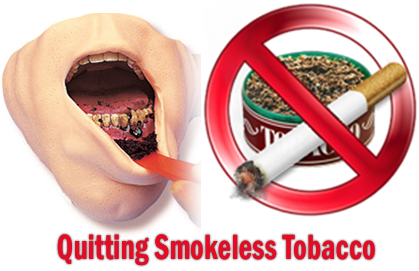
Smokeless Tobacco: Tips on how to stop

Why is it hard to quit using smokeless tobacco?

Like cigarettes, smokeless tobacco (snuff or chewing tobacco) contains nicotine, a very addictive substance that causes changes in the way you think and act. If you are addicted to nicotine, you crave the “buzz” you get from using smokeless tobacco, and you have to use more and more to get the effect you want. Smokeless tobacco puts more nicotine into your bloodstream than cigarettes do. This is one reason why people who chew or dip tobacco regularly may think that quitting smokeless tobacco is even harder than quitting cigarette smoking. Using smokeless tobacco might also be a habit for you when you’re in certain situations or with certain people. For example, you may always chew tobacco when you go to a sporting event or when you watch TV. It can be hard to break this pattern of behavior. However, many smokeless tobacco users have quit successfully – and so can you. Your family doctor can help you quit.


Why is it important for me to quit using smokeless tobacco?

The use of any tobacco product has both immediate and long-term effects on your health and overall well-being. Smokeless tobacco stains and wears down your teeth, causes your gums to recede (peel back) and produces mouth sores. Bad breath is also a common problem. Over time, the use of smokeless tobacco can cause mouth cancer. Nicotine from smokeless tobacco also raises blood pressure and cholesterol levels, and can increase your risk of having a heart attack. List your own reasons for wanting to quit using smokeless tobacco. In addition to the effects of smokeless tobacco on your health, you may be concerned about saving money or setting a good example for family members and friends. Write down your reasons for wanting to quit. Then keep your list in places where you can see it often.

What can I do to get ready to quit using smokeless tobacco?

Set a date to quit and stick to it. Choose a date 2 to 4 weeks from today. Quitting can be hard, so develop a plan that works for you. Prepare yourself for quitting by identifying the times when you will want smokeless tobacco the most. Plan to avoid those situations or to have tobacco substitutes with you (such as sunflower seeds or chewing gum). Get rid of all your chewing tobacco or snuff before your quit date. Start cutting down now on the amount you chew or dip. Get support from your family, friends and doctor. Even better, have a friend or family member who uses smokeless tobacco stop chewing or dipping at the same time that you do. Studies have shown that people who have the support of family and friends are more successful at quitting. Your doctor may also be able to recommend a support program that might help you quit.

What can I use to replace smokeless tobacco?

Talk to your doctor about whether nicotine gum or another nicotine replacement product is right for you. Generally, people who use 3 or more tins or pouches a week, people who use smokeless tobacco within 30 minutes after they wake up, and people who usually swallow tobacco juice when they chew or dip benefit most from nicotine replacement. Find an oral substitute for smokeless tobacco that you enjoy. This may be sugarless gum, hard candy, beef jerky or sunflower seeds. Don’t substitute cigarette smoking for smokeless tobacco. Stop using all tobacco products. Find activities to do when you want to chew or dip. Many people chew or dip when they are bored. Instead, take a walk or a quick jog, lift weights, take a hot shower to relax, or do any activity you enjoy that will keep your mind off smokeless tobacco.

What if I slip up and start using smokeless tobacco again?

This is normal. Learn from your slip! Think about what you can do to avoid that situation next time. Plan ways to handle things without going back to using smokeless tobacco. Once you quit, congratulate yourself. You’ve worked hard! Celebrate beating the habit by using the money you would have spent on smokeless tobacco to buy yourself a present or do something that you enjoy.

Thursday, 2 February 2017

Care in Cough or Cold

Non-medication treatment for your cough or cold

  • Get plenty of rest and drink plenty of fluids.
  • Try to breathe moist air. Use a humidifier or take a steamy shower.
  • Consume warm fluids (soup or tea) to provide relief for a stuffy nose and to loosen phlegm.
  • For nasal stuffiness, try saline nasal spray or a Neti Pot.
  • For sore throat pain relief: suck on throat lozenges, hard candy or popsicles; gargle with warm salt water (1/4 tsp. salt per 8 oz. of water); and eat soft, bland foods.
  • Eat a well-balanced diet. If you cannot, ensure you are getting enough nutrients by taking a daily multivitamin.
  • Avoid dairy products, as they can thicken phlegm.
  • Avoid alcohol, as it impairs your body’s immune system


CONTACT YOUR DOCTOR IF YOU EXPERIENCE ANY OF THE FOLLOWING:

  • High fever
  • Ear pain
  • Sinus-type headache
  • Unusually severe cold symptoms
  • Cough that gets worse while other cold symptoms improve
  • Flare up of any chronic lung problem, such as asthma

RECOMMENDED NON-PRESCRIPTION MEDICATIONS BY SYMPTOM

Contact the SHCC Pharmacy with any questions or concerns about medications: (352) 392-1760.

Cough, Non-productive (not coughing up phlegm)

  • Cough suppressant containing dextromethorphan (Robitussin® DM or Delsym®)

Cough, Productive (coughing up phlegm)

  • Cough suppressant (see above)
  • Expectorant: Mucinex® tablets or plain guaifenesin syrup, also known as Robitussin®

Fever/Headache/Muscle Aches

  • Acetaminophen (Tylenol®)
  • Non-Steroidal Anti-Inflammatory Drugs (NSAIDs) such as ibuprofen (Advil®) or naproxen (Aleve®)

Nasal Stuffiness

  • Nasal steroid sprays: Flonase® or Nasacort®
  • Decongestants:
    • Topical spray: Oxymetazoline (Afrin® Nasal Spray); limit to 3-4 days maximum
    • Oral medication: Pseudoephedrine (Sudafed®) – MUST BE PURCHASED FROM PHARMACIST

Runny and/or Itchy Nose/Sneezing

  • Nasal steroid sprays: Flonase® or Nasacort®
  • Antihistamine: Benadryl®, which will likely cause drowsiness, or Loratadine (Alavert®), which is not as likely to cause drowsiness

Sore Throat Pain Relief

  • Take acetaminophen (Tylenol®) or ibuprofen (Advil®).
  • Try throat sprays (Chloraseptic®).

Tuesday, 25 October 2016

Tips for a Safe Diwali

Diwali
,the beautiful festival of lights, happiness and celebration is just around the corner. Enjoying the festivities with your family and friends is something everyone enjoys.

However, ensuring a safe celebration is a must. Read through for tips to celebrate this Diwali safely.

1. Clothes

Bursting firecrackers is something everyone including children and adults enjoy. To avoid any accident with fire it is recommended that you wear cotton clothes and stay away from synthetic material.

2. Quality of crackers

You must purchase firecrackers from legal manufacturers and ensure that you go through the instructions before actually bursting them. Good quality firecrackers reduce the risk of a dangerous mishap.

3. Instructing children

Before taking your children out in the open to burst crackers, it is highly important for you to instruct them about the usage of firecrackers and educate them about the appropriate ways to do so. Supervising them while they are having a fun time with crackers is of utmost importance.

4. Fire extinguisher

Having a fire extinguisher in close proximity to the area where you are bursting firecrackers is very essential. Even a bucket of water or sand would be useful to tackle an unexpected fire.

5. Closed areas

It is critical to note that you must never burst firecrackers in a closed area. Doing so can lead to a massive hazard in case of fire breaking.

6. First Aid Kit

A first aid kit should be a handy while you or your kids are enjoying the fireworks. In case there is a minor injury, it can be treated immediately at home.

7. Discarding used fireworks

Dispose of the used firecrackers immediately and carefully. You can either put it in a bucket full of water or put sand on them in order to put out its heat.

8. Candles and Diyas

Diwali is all about beautiful candles and diyas spreading their light and happiness. However, keeping lit candles and diyas at home can cost you dearly at times. You must make sure that there aren’t any curtains or inflammable materials close to them.

9. Pet Safety

Pets are a part of the family for animal lovers. But Diwali can be an agonizing time for the animals due to the extreme noise all around. Try to sensitize your pet to the noises by playing similar sounds beforehand. Also, try not to leave your pet alone and do keep they away from firecrackers.

10. Sensitivity

It is important to celebrate festivals with utmost sensitivity and care. Using firecrackers that do not create a lot of noise can be the first step towards being sensitive to your fellow neighbors and friends. Too much noise pollution can be harmful for everyone, especially senior citizens.
Spread happiness this Diwali and celebrate this beautiful festival joyously with your loved ones and keep them and yourself safe.

Wednesday, 12 October 2016

10 Essential Tips for a Safe Diwali

Diwali

, the beautiful festival of lights, happiness and celebration is just around the corner. Enjoying the festivities with your family and friends is something everyone enjoys.

However, ensuring a safe celebration is a must. Read through for tips to celebrate this Diwali safely.

1. Clothes

Bursting firecrackers is something everyone including children and adults enjoy. To avoid any accident with fire it is recommended that you wear cotton clothes and stay away from synthetic material.

2. Quality of crackers

You must purchase firecrackers from legal manufacturers and ensure that you go through the instructions before actually bursting them. Good quality firecrackers reduce the risk of a dangerous mishap.

3. Instructing children

Before taking your children out in the open to burst crackers, it is highly important for you to instruct them about the usage of firecrackers and educate them about the appropriate ways to do so. Supervising them while they are having a fun time with crackers is of utmost importance.

4. Fire extinguisher

Having a fire extinguisher in close proximity to the area where you are bursting firecrackers is very essential. Even a bucket of water or sand would be useful to tackle an unexpected fire.

5. Closed areas

It is critical to note that you must never burst firecrackers in a closed area. Doing so can lead to a massive hazard in case of fire breaking.

6. First Aid Kit

A first aid kit should be a handy while you or your kids are enjoying the fireworks. In case there is a minor injury, it can be treated immediately at home.

7. Discarding used fireworks

Dispose of the used firecrackers immediately and carefully. You can either put it in a bucket full of water or put sand on them in order to put out its heat.

8. Candles and Diyas

Diwali is all about beautiful candles and diyas spreading their light and happiness. However, keeping lit candles and diyas at home can cost you dearly at times. You must make sure that there aren’t any curtains or inflammable materials close to them.

9. Pet Safety

Pets are a part of the family for animal lovers. But Diwali can be an agonizing time for the animals due to the extreme noise all around. Try to sensitize your pet to the noises by playing similar sounds beforehand. Also, try not to leave your pet alone and do keep they away from firecrackers.

10. Sensitivity

It is important to celebrate festivals with utmost sensitivity and care. Using firecrackers that do not create a lot of noise can be the first step towards being sensitive to your fellow neighbors and friends. Too much noise pollution can be harmful for everyone, especially senior citizens.
Spread happiness this Diwali and celebrate this beautiful festival joyously with your loved ones and keep them and yourself safe.